
The Global & Free Encyclopedia for your family and community safety.
Disastropedia is not a scientific platform.
It is a world-leading, international knowledge place built for everyday people.
Explore Disastropedia – EU Funded Disaster Preparedness Knowledge
Join Us in Building a Safer Society
It’s time to act. Prepare yourself, your family, and your community for the challenges ahead. We all know that in a disaster, time is an asset. By joining Disastropedia, you can better prepare yourself and your loved ones. Share Disastropedia with your friends, family, and colleagues. Let us prepare together. Working together, we can build a safer, more resilient society where everyone has the knowledge and tools to better protect themselves.
Explore Disastropedia – Disaster Preparedness Knowledge

Flash Flood
Floods along rivers or coasts usually occur with advance warning, allowing people to escape in time. In flash floods, however, the tidal waves strike like a flash. Therefore, escape is often impossible or carries a high risk of putting people in even greater danger. Most of these disasters are at least exacerbated by human intervention and failure. This article provides a brief overview and tips on how to respond.
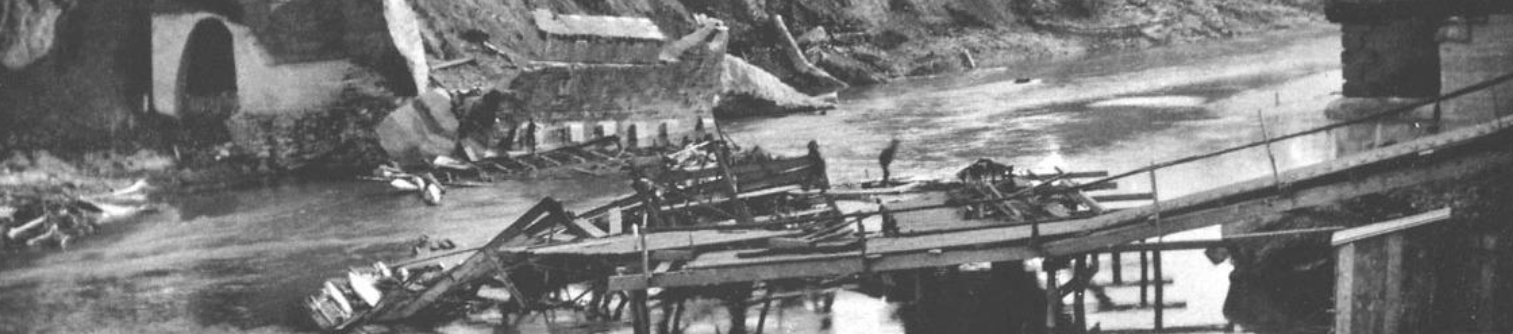
Isar-Hochwasser 1899 in München
Ein Spaziergang entlang der Isar mit Stationen zu den Schäden und der Zerstörung, die das Hochwasser angerichtet hat. Außerdem wird auf die direkten, sowie die deutlich späteren, Maßnahmen zum Wiederaufbau und zur Prävention eingegangen.
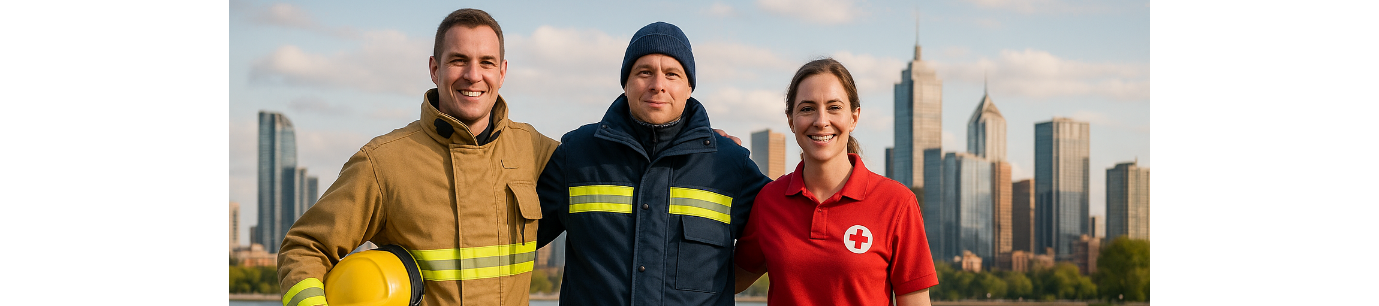
You Want to Make a Real Difference? (Part 1)
In many European countries, you can roll up your sleeves and get involved directly. In Germany, volunteer fire brigades are one of the most important pillars of civil protection — fast, reliable, multitalented, and deeply embedded in their communities. They are usually the first and often the strongest emergency unit on the scene.
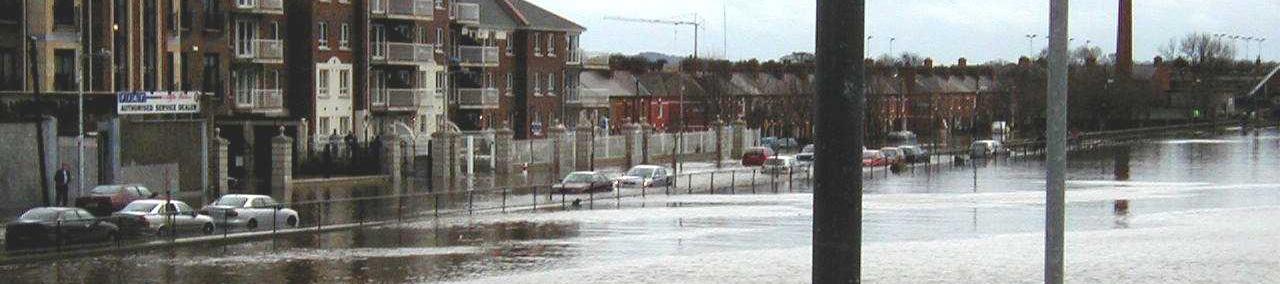
Dublin Tidal Flooding – Scripted Walk
This page explores the scripted walk covering the Dublin Tidal Flooding event of 2002. On 1 February 2002, Dublin City experienced its highest recorded tide level in hundreds of years — recorded by Dublin Port at 2.95 m Malin Head Ordinance Datum — affecting the canals and banks of the River Liffey.

Fire vs. Explosion
In most cases it is you who responds first! You are the first one on the scene and need to decide how to react. If it's a small, localized blaze with no signs of greater danger, it's a brave and sensible decision to try to help. If there's an immediate risk of explosion, you should stay away. Here's why.

Heimlich Maneuver
The Heimlich maneuver (abdominal thrusts) is used when someone is choking and their airway is completely blocked. Approximately 4,500–5,000 people die from choking each year in the United States, making it the fourth leading cause of accidental death. Quick action is critical — learn when and how to act.
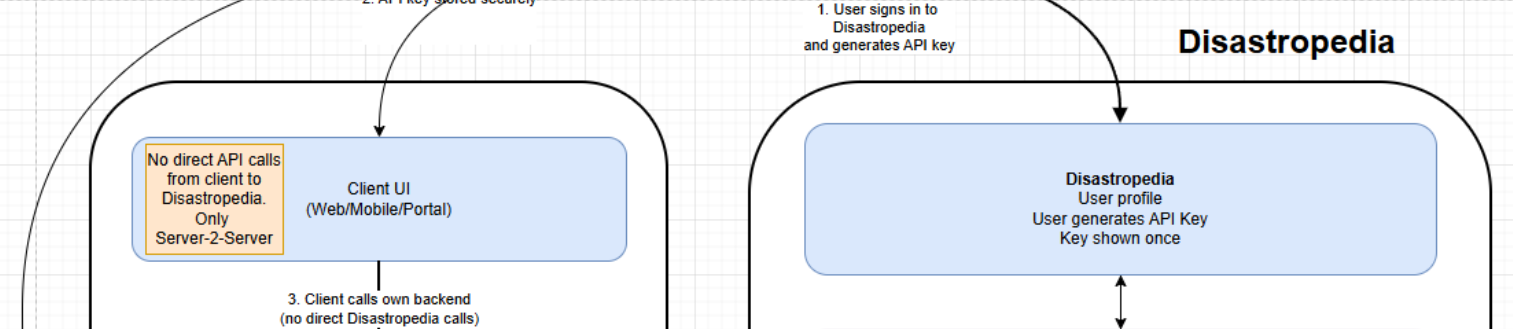
Disastropedia Open API
Disastropedia exposes open, read-only APIs enabling third-party systems — municipal portals, NGO tools, educational platforms, and preparedness applications — to retrieve public knowledge content. This guide covers API-key generation, Postman-based testing, pagination and filtering, and a reference C# implementation.

What Is AI Ethics in Disaster Response?
AI is transforming disaster response through enhanced prediction models, improved emergency coordination, and optimized resource distribution. But as AI takes on greater roles in high-stakes decisions, critical ethical questions arise around fairness, accountability, transparency, and safeguarding human rights in crisis situations.

K9 Rescue Dog Operations
K9 rescue dogs are an integral part of search and rescue teams — locating survivors in collapsed buildings, tracking lost hikers in dense forests, and searching for victims in disaster-stricken areas. Equipped with exceptional senses of smell, agility, and unwavering determination, they navigate challenging terrains with ease.